
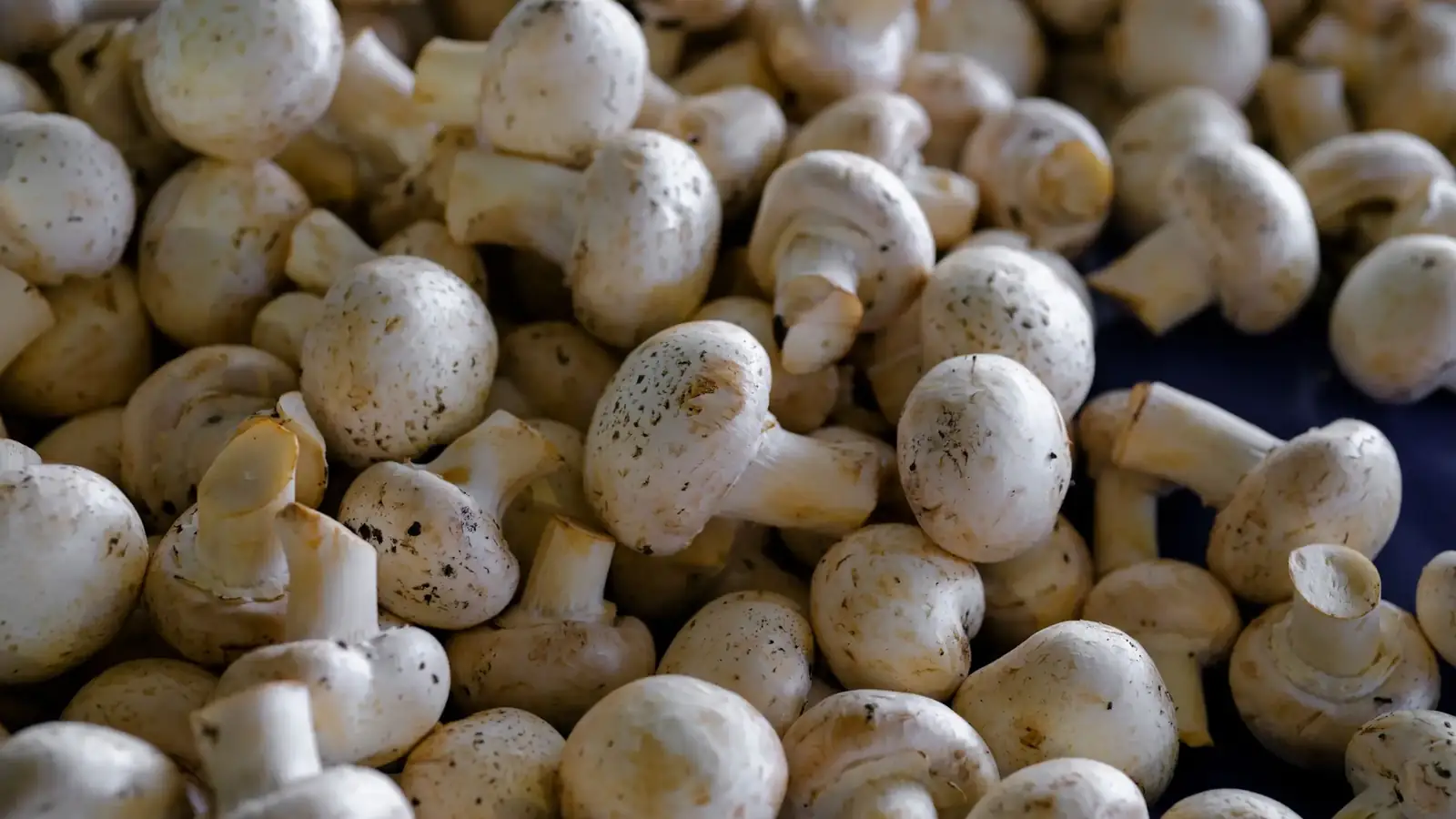
Mushroom Marketing & Sales
Selling to wholesalers, retailers, hotels, restaurants, mandis, local markets, modern trade, and direct buyers.
Fresh mushrooms are highly perishable, so your market plan is part of your project plan. The question to answer before you build is simple: who buys your daily output, at what price, in what pack, and how fast can you reach them?
Each channel behaves differently. Local mandis and vegetable markets absorb volume quickly but pay the lowest and most volatile price. Wholesalers and aggregators give steady off-take with credit terms. Retail and modern trade pay better but demand consistent grading, packaging, labelling and reliable delivery. Hotels, restaurants and caterers pay well for dependable daily supply and quality. Direct and online sales earn the highest margin but need the most effort per kilogram.
Packaging affects realisation. Loose bulk suits mandi supply; 200 g/500 g punnets with cling film or vented packs suit retail and premium buyers. Handling, pre-cooling and clean picking practices extend shelf life more than any packaging material can.
Cold chain is the difference between grade and waste. Mushrooms should be picked at the right stage, cooled quickly, and moved to the buyer the same day wherever possible. Plan cold storage or same-day logistics before your first crop is ready — not after.
Prices fluctuate with season, festivals and local supply. Winter typically brings stronger movement in many regions, and a sudden local glut can halve realisation for a week. Protect yourself by spreading across two or three channels instead of depending on one buyer.
Build buyer relationships during construction, not after harvest. Use your production schedule to promise a realistic daily quantity, then deliver it consistently — reliability wins better prices than one-off negotiation. Market rates vary by city, season, quality, supply, demand, packaging and buyer type; always validate local demand before investing.
Continue Learning
 Beginner
Beginner Mushroom Farming
Understand whether mushroom farming is right for you, required land, budget, labour, power, water, crop options, risk factors, and first-step planning.Start Learning Commercial
Commercial Button Mushroom Project
Room sizing, rack planning, production cycle, cooling requirement, investment logic, and commercial project models.Start Learning Compost